
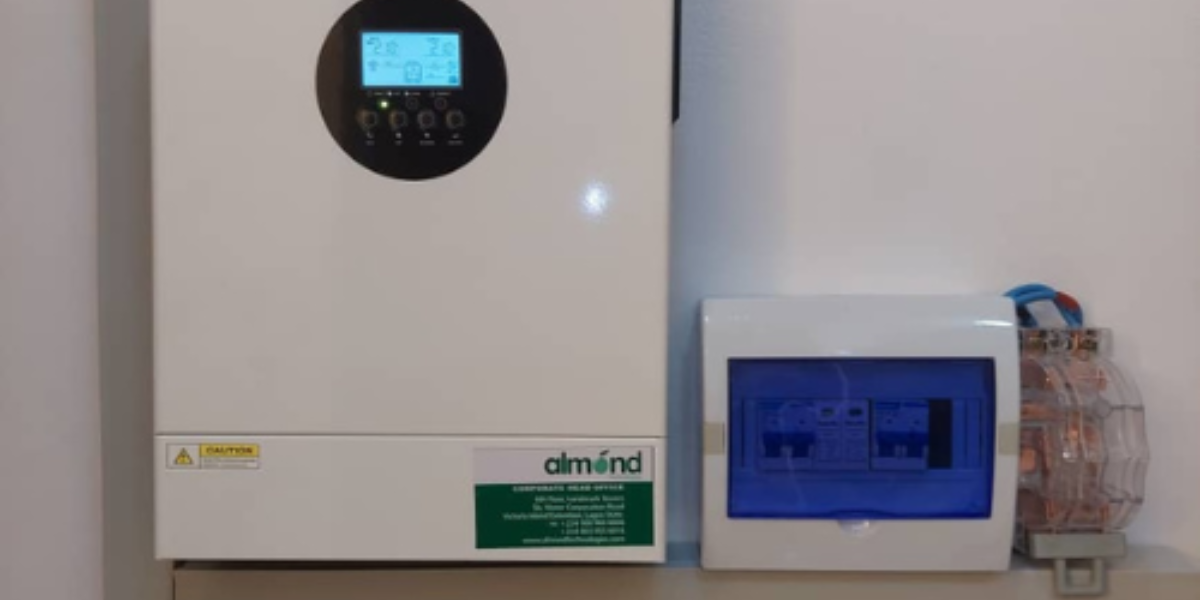
Lagos, Nigeria’s economic capital, is faced with perennial power problems that severely impact business productivity and profitability. With electricity tariffs reaching a record high and frequent power outages taking a toll on day-to-day operations, smart business owners are adopting solar + inverter systems as a lifeline intervention.
Recent case studies have shown that businesses in Lagos can cut monthly power expenses by up to 70% after investing in the right solar inverter systems. This guide illustrates How Lagos Businesses Can Save Costs with Solar + Inverter Systems.
The Current State of Business Electricity Costs in Lagos
Increasing Electricity Tariffs
Lagos firms already face some of the highest costs of electricity in West Africa. Band A tariff subscribers in Lagos zones currently pay premium rates for 20–24 hours of daily supply, while the majority of other zones continue to face erratic supply amidst paying high monthly bills.
Current Business Electricity Challenges:
- Unstable power supply disrupting production schedules
- High tariff rates eating into profit margins
- Generator fuel costs adding operational expenses
- Equipment damage from power fluctuations
- Productivity losses from blackouts
The Generator Dependency Problem
Most Lagos businesses rely on diesel or petrol generators as a backup power source. This dependency comes with additional financial expenses:
- Costly fuel: Increasing diesel and petrol costs
- Maintenance: Regular servicing and repairs
- Environmental concerns: Noise pollution and emissions
- Operational limitations: Can’t be run 24/7 efficiently
How Solar + Inverter Systems Transform Business Operations
Solar + Inverter Technology Explained
A solar + inverter system combines photovoltaic panels and intelligent inverter technology to provide clean, reliable power for business consumption. The system consists of:
Major Components:
- Solar Panels: Sunlight converted to DC electricity
- Hybrid Inverter: Conversion of DC to AC and energy management
- Battery Storage: Storage of excess energy for use at night
- Grid Connection: Backup when solar is insufficient
Immediate Cost Savings
1. Dramatic Saving on Electricity Bills
Solar + inverter systems can cut monthly electricity costs by 50–80%, based on system size and energy usage patterns.
- Daytime Operations: Direct solar power does away with grid dependence
- Peak Hour Usage: Banked solar power cuts down costly peak-rate consumption
- Weekend Operations: Solar power offers free weekend power
2. Abolition of Generator Costs
By installing enough solar + inverter capacity, companies can completely eliminate generator usage, saving:
- Monthly fuel costs
- Generator maintenance
- Replacement costs
ROI Analysis: Real Numbers for Lagos Companies
Investment vs. Savings Calculation
Medium-Sized Office/Shop (5kW System):
- Upfront Investment: Affordable upfront investment
- Monthly Electricity Savings: Enormous saving on grid power cost
- Monthly Generator Savings: Significant fuel and maintenance cost elimination
- Total Monthly Savings: Total enormous monthly cost saving
- Payback Period: 18–24 months
Small Manufacturing Business (10kW System):
- Initial Investment: High capacity system investment
- Monthly Electricity Savings: Enormous reduction in operational power cost
- Monthly Generator Savings: Severe generator dependence cost elimination
- Total Monthly Savings: Enormous total monthly operational saving
- Payback Period: 15–20 months
Long-Term Financial Benefits:
- Year 1–3: Recover initial investment
- Year 4–10: Pure profit from reduced operational costs
- Year 11–25: Continued savings with minimal maintenance costs
Step-by-Step Implementation Guide
Phase 1: Energy Audit and System Design
Phase 2: System Selection and Procurement
Phase 3: Installation and Commissioning
Maintenance and Performance Optimization
Routine Maintenance Requirements
- Monthly, Quarterly, Annual tasks
Performance Monitoring
- KPIs and Monitoring Tools
Common Challenges and Solutions
1. High Upfront Investment
2. Technical Expertise
3. Issues with Equipment Quality
Future Trends in Commercial Solar
Technology Advancements
- Smart Inverter Technology
- Energy Storage Innovations
Developments in the Market
Conclusion: Your Path to Energy Independence
Investment in solar + inverter systems is one of the smartest investments Lagos businesses can make in 2025. With paybacks of 18–24 months and 50–70% savings on electricity bills, the economics are compelling.
Businesses that invest early will gain from:
- Immediate cost savings
- Improved cash flow
- Greater competitiveness
- Environmental benefits
- Energy independence
Take Action Today
Ready to cut your business electricity bills by 70%? Contact Lagos’s best solar installers today for a free consultation and quote tailored to your needs.
Internal Links Suggestions:
- 1000W Solar Panel Price in Nigeria
- Request A Quote
- Contact Us